Ohio State Facts & Information
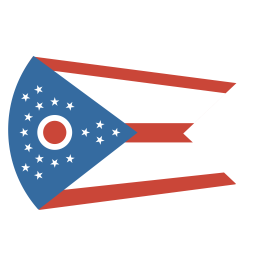
Ohio Quick Stats (2024)
Key State Information
- Governor: Mike DeWine (Republican, serving since 2019)
- Capital: Columbus
- Largest City: Columbus
- State Nickname: The Buckeye State
- Statehood: March 1, 1803 (17th state)
- Area: 44,826 sq mi (34th largest state)
- Population Rank: 7th most populous state (11.88 million)
- Major Industries: Manufacturing, professional/business services, real estate, healthcare, finance, automotive
Frequently Asked Questions About Ohio
Ohio's population is estimated at 11.88 million as of 2024, making it the nation's 7th most populous state. The 2020 census recorded 11,799,448 residents. Ohio's population has shown modest growth in recent years, with major metropolitan areas like Columbus experiencing more significant expansion while some rural areas face population decline.
Governor Mike DeWine, a Republican, has been serving as Ohio's governor since 2019. He was re-elected in 2022 with 62% of the vote, demonstrating strong voter support. Prior to becoming governor, DeWine served as Ohio's Attorney General, U.S. Senator, and Lieutenant Governor, bringing extensive government experience to the role.
Ohio's real GDP reached approximately $727.3 billion in 2024, representing a 2.5% increase from 2023 and the highest GDP to date for the state. The GDP per capita stands at $61,200, up 1.9% from 2023, ranking 28th among all states. The manufacturing industry leads economic contributions at $109.8 billion, followed by professional and business services at $99.6 billion, and real estate, rental, and leasing at $85.1 billion. Ohio's per capita income was $64,225 in 2024.
Ohio's economy is highly diversified with strong manufacturing roots. The manufacturing sector is the largest contributor to GDP, particularly automotive production, aerospace components, steel, and advanced manufacturing. Professional and business services form a major sector, with Columbus hosting numerous corporate headquarters. Real estate and construction are significant, especially in growing metro areas. Healthcare is a major employer statewide, with Cleveland Clinic and other health systems providing both care and research. Finance and insurance sectors thrive, particularly in Cincinnati and Columbus. The state is also developing technology and innovation sectors, with Cleveland and Columbus emerging as tech hubs. Agriculture remains important, with Ohio ranking among top states for corn, soybeans, and dairy production.
Ohio's three major metropolitan areas are Columbus, Cleveland, and Cincinnati. Columbus, the state capital and largest city, has experienced significant growth and serves as a center for education (Ohio State University), government, and business. Cleveland, located on Lake Erie, is known for healthcare (Cleveland Clinic), manufacturing, and cultural institutions like the Rock and Roll Hall of Fame. Cincinnati, on the Ohio River, is a major corporate headquarters city (Procter & Gamble, Kroger) with strong arts and German heritage. Other significant cities include Toledo (glass industry, port city), Akron (historic rubber industry, now polymer research), Dayton (aviation heritage, Wright-Patterson Air Force Base), and Youngstown (steel heritage, university town).
Ohio offers extensive higher education through numerous public and private institutions. The Ohio State University in Columbus is one of the nation's largest universities and a major research institution. Other public universities include the University of Cincinnati, Ohio University, Kent State University, and Miami University. The University System of Ohio coordinates public higher education across the state. Private institutions include Case Western Reserve University (renowned research university in Cleveland), Oberlin College (historic liberal arts college), Kenyon College, and Denison University. The state has numerous regional campuses and community colleges providing accessible education. Specialized institutions include the Cleveland Institute of Art and Cleveland Institute of Music. This strong educational infrastructure supports workforce development and research innovation across the state.
Ohio offers diverse attractions across the state. Cedar Point in Sandusky is one of the world's premier amusement parks, known as the "Roller Coaster Capital." The Rock and Roll Hall of Fame in Cleveland celebrates music history. The National Museum of the US Air Force in Dayton is the world's largest military aviation museum. Hocking Hills State Park features stunning rock formations, waterfalls, and hiking trails. Lake Erie shores provide beaches, boating, and island destinations like Put-in-Bay and Kelley's Island. The Pro Football Hall of Fame in Canton honors football legends. Cultural attractions include the Cincinnati Art Museum, Columbus Museum of Art, and Cincinnati Zoo. The Cuyahoga Valley National Park offers hiking and scenic railways. Ohio's Amish Country in Holmes County draws visitors seeking traditional crafts and rural landscapes. The state has numerous state parks, rivers for kayaking, and Lake Erie fishing opportunities.
Ohio holds significant political importance as a key swing state in presidential elections, often reflecting national political trends. The state has produced eight U.S. presidents, earning it the nickname "Mother of Presidents." Ohio's diverse economy and population make it representative of broader American demographics and economic conditions. Culturally, Ohio has contributed significantly to American innovation and industry - the Wright Brothers pioneered aviation in Dayton, Thomas Edison was born in Milan, and Akron became the rubber capital. The state's location as a bridge between the East Coast and Midwest has made it a transportation and commerce hub. Ohio's mix of urban centers, suburban communities, small towns, and rural areas creates a microcosm of American life. The state's challenges and successes in transitioning from manufacturing to a more diversified economy mirror national economic transformations.
Last updated on November 29, 2025