Vermont State Facts & Information
State Information
- State Flag:
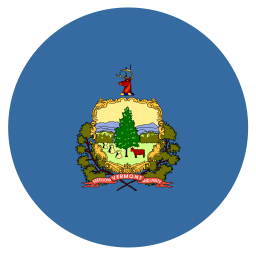
- Capital: Montpelier
- Population (2024): 648,493
- Governor: Phil Scott (R)
- GDP (2024): $46.3 billion
- GDP per capita: $55,577
Frequently Asked Questions
Vermont's population is 648,493 people according to the U.S. Census Bureau's 2024 Population Estimates Program. The state experienced modest growth of about 350 people in 2023, with population remaining relatively stable. Vermont is one of the smallest states by population, ranking among the least populous in the nation.
Phil Scott is Vermont's 82nd governor, serving since January 2017. A moderate Republican, he was re-elected to a fifth term in November 2024, winning a majority in every city and town in the state with the largest margin of victory in any Vermont gubernatorial election since 1946. As of 2025, Scott is the second-longest serving incumbent governor in the U.S. and is widely regarded as one of the nation's most popular governors.
Vermont's nominal GDP in 2024 was $46.3 billion, making it the smallest state economy in the nation. The real GDP (inflation-adjusted) was approximately $36.4 billion. GDP per capita reached $55,577, up 2.3% from 2023, ranking 39th among all states. Real GDP increased 0.6% in the fourth quarter of 2024, among the lowest growth rates nationally, though the professional and business services industry showed strong gains.
Vermont is designated as a rural state, with nearly two-thirds of residents living in rural areas and no towns exceeding 50,000 residents. The state is aging faster than most, with a median age of 42.7 years in 2021 compared to the national median of 38.4 years. Vermont has a smaller share of residents ages 0-17 (17.7%) compared to the U.S. overall (21.7%). The state/national age gap has widened from about two years in 2000 to over four years in recent years.
Montpelier is the capital city of Vermont and holds the distinction of being the smallest state capital by population in the United States. Despite its small size, Montpelier serves as the political and administrative center of Vermont state government. The city is known for its historic architecture, walkable downtown, and vibrant cultural scene.
Vermont's economy is characterized by tourism, agriculture (particularly dairy farming and maple syrup production), manufacturing, and professional services. The professional and business services industry has shown the strongest growth, with 2024 GDP 1.8 times higher than 2014. The state is also known for specialty food products, craft beverages, outdoor recreation, and a growing technology sector. Vermont's small land mass of 9,216 square miles supports a diverse but compact economy.
Vermont is one of the smallest states in the nation by both population and geographic size. With just 648,493 residents, Vermont ranks among the five least populous states. Its land area of 9,216 square miles makes it the 45th largest state by area. The state's small size contributes to its tight-knit communities, rural character, and relatively low cost of infrastructure maintenance compared to larger states.
Vermont faces challenges including an aging population, slow population growth, and the smallest state GDP in the nation. However, the state benefits from strong governance (ranked most popular governor nationally), high quality of life, low crime rates, and natural beauty that attracts tourists and remote workers. The state's real GDP per capita ranks similar to Louisiana and Maine, and despite economic headwinds, Vermont maintains GDP per capita growth of 2.3% annually, demonstrating resilience in a changing economy.
Last updated on November 29, 2025